How to Choose Between WordPress, Webflow, and Custom Development
So you’ve decided you need a website (or a redesign), and now you’re stuck at the first real fork in the road: how do you choose between WordPress, Webflow, and custom development? If you’ve spent even ten minutes Googling this, you already know everyone has an opinion, and most of those opinions contradict each other. One developer swears by WordPress, a designer friend won’t shut up about Webflow, and somewhere in the back of your mind you’re wondering if you should just hire an agency to build something from scratch. Honestly? All three answers can be right, depending on who’s asking. Let’s actually break it down like real people, not like a sales pitch.
Why This Decision Feels So Confusing
Part of the problem is that WordPress, Webflow, and custom development aren’t really competing on the same axis. WordPress is a content management system with a massive plugin ecosystem. Webflow is a visual design tool that also happens to generate clean code. Custom development is, well, building the thing yourself (or paying someone to). Comparing them head-to-head is a bit like comparing a Swiss Army knife to a power drill to a fully equipped workshop — they all cut wood, but the experience of using each one is completely different.
This is exactly why so many people struggle with this decision in the first place — it isn’t really about which platform is “better,” it’s about which one fits your situation. Before you pick a lane, it helps to get clear on what you’re actually optimizing for. Is it speed to launch? Long-term flexibility? Budget? Who’s going to maintain the site after it’s live? Those answers matter more than which platform has the trendiest logo.
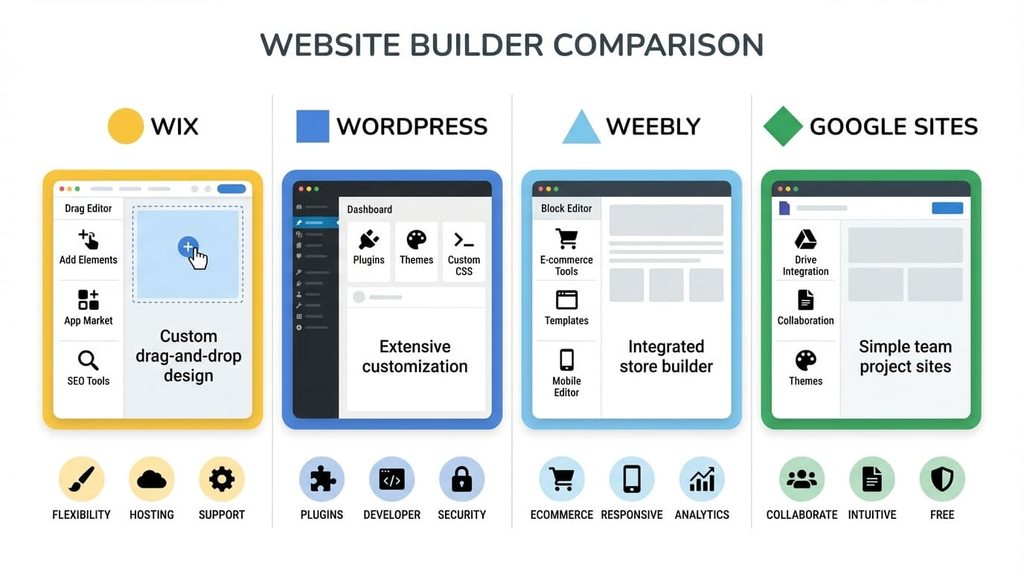
WordPress: The Old Reliable
WordPress powers a huge chunk of the internet, and there’s a reason for that. It’s been around since 2003, it has an enormous community, and there’s a plugin for pretty much anything you can dream up — SEO, e-commerce, membership sites, booking systems, you name it. If you’re a small business owner who wants a blog, a portfolio, or a straightforward company site, WordPress is often the path of least resistance.
The catch? That flexibility comes with baggage. Plugins can conflict with each other. Updates sometimes break things. And because it’s so widely used, it’s also a bigger target for security issues if you’re not staying on top of maintenance. It’s not a dealbreaker, but it’s a real cost — someone needs to own the upkeep.
Click here to read full blog: https://seolizards.in/blog/wordpress-webflow-and-custom-development/

Comments
Post a Comment